UNIverse - Public Research Portal
Project cover

Climate Science & Ancient History Lab

Research Project
 | 
01.02.2018
 - 31.12.2029

The Basel Climate Science and Ancient History Lab is a pioneering interdisciplinary collaboration between ancient historians and climate scientists and bridges the traditional gap between the natural sciences and the humanities. Climate science has started to expand the spectrum of historical evidence to an extent inconceivable just a few years ago. The time is ripe to make use of this new evidence for elucidating the Graeco-Roman world whose study has relied so far largely on the written and archaeological record. The combined analysis of various materials promises an entirely new perspective on the ancient Mediterranean: paleoclimate archives literary sources biological evidence archaeological remains coins papyri Compared with most parts of the world, the Mediterranean region offers a wealth of natural proxies including lake sediments, speleothems, and many more that resolve parts of the past hydrological cycle, historical, and archaeological evidence. Egypt in particular provides a unique historical laboratory in which to study social vulnerability and responses to abrupt hydroclimatic change based on historical evidence, including Nile flooding data. The climate conditions may be caused by the influence of external factors, such as changes in solar and volcanic activities, or by purely internal variations in oceanic and atmospheric circulation. By using novel palaeoclimate model simulations in tandem with hydroclimate reconstructions climate variability and climate change can be connected to economic, social, and political transformations. The interaction between climate change, environmental stress, and socio-political systems is increasingly attracting the interest of the scientific community and the general public, as contemporary concerns about global warming grow. Climatic fluctuations are rarely the only contributor to major societal collapse, but they can impact political structures, economic relationships, and cultural habits to varying degrees. Historical and scientific analytical and quantification techniques and statistical applications can be used to understand causes and effects and to link socio-economic developments to climate and environmental changes.

Collaborations & Cooperations

2025 - Participation or Organization of Collaborations within own University
Fleitmann, Dominik, University of Basel, Research cooperation
2025 - Participation or Organization of Collaborations on an international level
Lutterbacher, Jürg, University of Giessen, Research cooperation
2025 - Participation or Organization of Collaborations on an international level
Xoplaki, Elena, Dr., University of Giessen, Research cooperation
2025 - Participation or Organization of Collaborations on a national level
Stoffel, Markus, Prof. Dr., University of Geneva, Research cooperation

Publications

Huebner, Sabine R. (2020) ‘Climate Change in the Breadbasket of the Roman Empire-Explaining the Decline of the Fayum Villages in the Third Century CE’, Studies in Late Antiquity, 4(4), pp. 486–518. Available at: https://doi.org/10.1525/sla.2020.4.4.486.

URLs
URLs

Members (1)

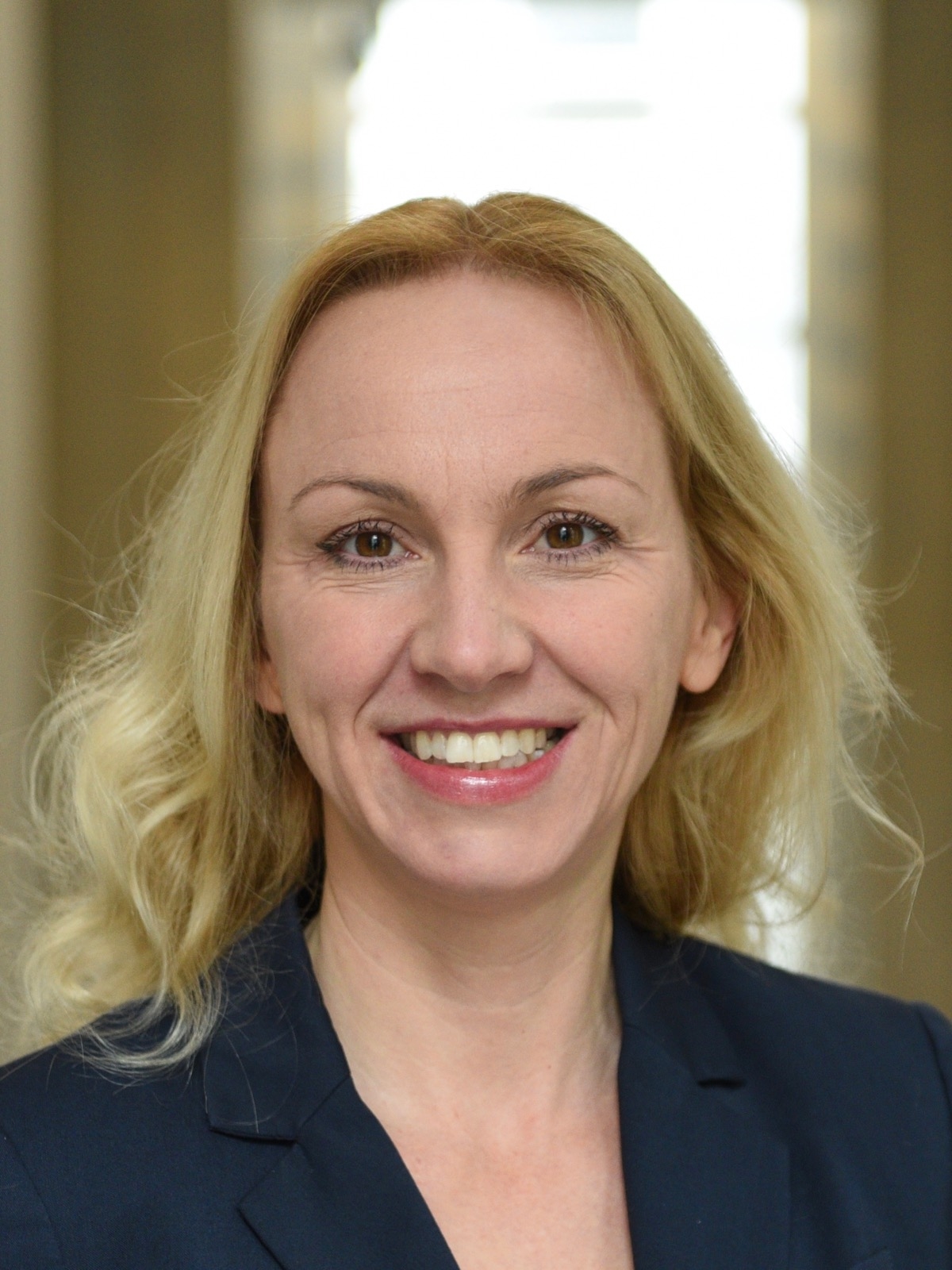
Profile Photo

Sabine Huebner

Principal Investigator