UNIverse - Public Research Portal
FEMALE avatar

Dr. Jennifer Belus

Department of Clinical Research

Projects & Collaborations

7 found
Show per page
Project cover

PEGISUS: Peer Education for Gender Inclusion and Substance Use in Southern Africa

Research Project  | 5 Project Members

Adolescents and young adults in sub-Saharan Africa are facing increasing threats to health and overall quality of life.This project seeks to address adolescent and young adult well-being by simultaneously tackling alcohol and other drug (AOD) use, inequitable gender beliefs, and high rates of unemployment in Zambia, Zimbabwe, and South Africa. Specifically, this project aims to develop and test a brief, behavioral intervention to reduce problem AOD use and gender inequitable beliefs, which will be delivered to adolescent and young adult peer groups and embedded within existing vocational training programs. The study will also assess vocational training program characteristics that may facilitate or hinder scaling up of the proposed intervention, should it be successful. This study is conducted in collaboration with the University of Zambia, SolidarMed Zambia and Zimbabwe, and the South African Medical Research Council. The study is funded through the Solution-oriented Research for Development Programme, which is jointly funded by SNSF and SDC (Grant no. 400440_213259).

Project cover

LoDoCA: Tolerability of Ritonavir-Boosted Lopinavir- Vs Dolutegravir-Based Antiretroviral Therapy for Children and Adolescents Living with HIV: an Open-Label Randomised Study in Lesotho, Southern Africa

Research Project  | 16 Project Members

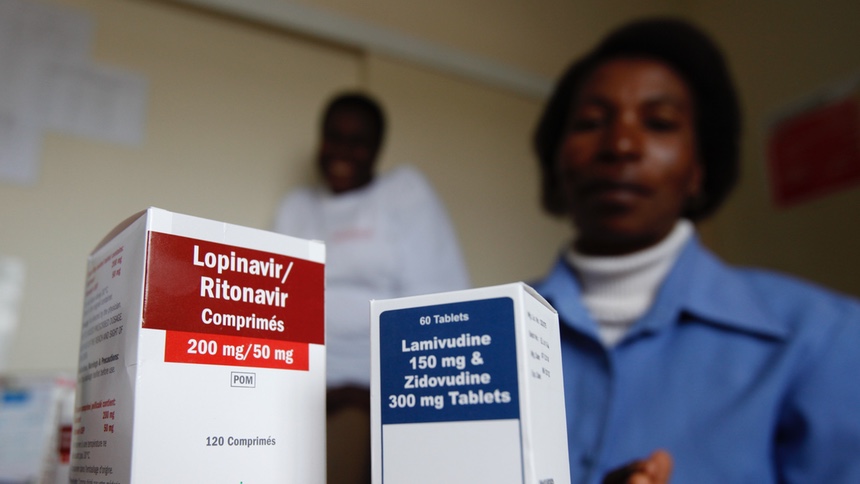
LoDoCA was a prospective cohort study among children and adolescents with HIV in Lesotho, southern Africa who changed from an antiretroviral therapy regimen containing ritonavir-boosted lopinavir to a regimen containing dolutegravir. The study compared treatment satisfaction and previously reported adverse effects of either drug, including neuropsychiatric (sleep, depression) and gastrointestinal outcomes. Sleep was a key focus, as sleep disturbance had previously been reported as an adverse effect of dolutegravir among adults. Thus, sleep was measured by actigraphy (movement-sensing devices worn by participants around their wrist from around bedtime to morning) in addition to questionnaires.

Project cover

ComBaCaL: Community-based Chronic Care Lesotho

Research Project  | 14 Project Members

Community Based Chronic Care Lesotho (ComBaCaL) is a collaborative program between Lesotho and Switzerland dedicated to developing, testing, and sharing innovative solutions to enhance chronic disease care in remote settings in low- and middle-income countries.


At the core of ComBaCaL is the concept of Community Health Workers (CHWs) supported by a digital clinical decision support system, enabling them to provide treatment for selected conditions in remote areas with limited access to clinics.


In phase 1, we empowered CHWs to independently prescribe and manage treatment of uncomplicated hypertension and type 2 diabetes. This approach was effective in large cluster-randomised trials.


In the current phase 2, the focus has expanded to integrated care packages addressing a wider range of conditions, including HIV, sexual and reproductive health, and health services for children under five. The aim of this phase is to prepare ComBaCaL for scale.


For detailed information and a comprehensive list of our publications, visit: www.combacal.org.

Project cover

Hair Salon Project

Research Project  | 17 Project Members

In settings such as Lesotho, where young women face enormous HIV and sexual and reproductive health (SRH) challenges, novel and accessible spaces to complement traditional health facilities are urgently needed. HIV- and pregnancy-related complications are still the leading cause of death among young women in high HIV prevalence settings in Southern Africa. 


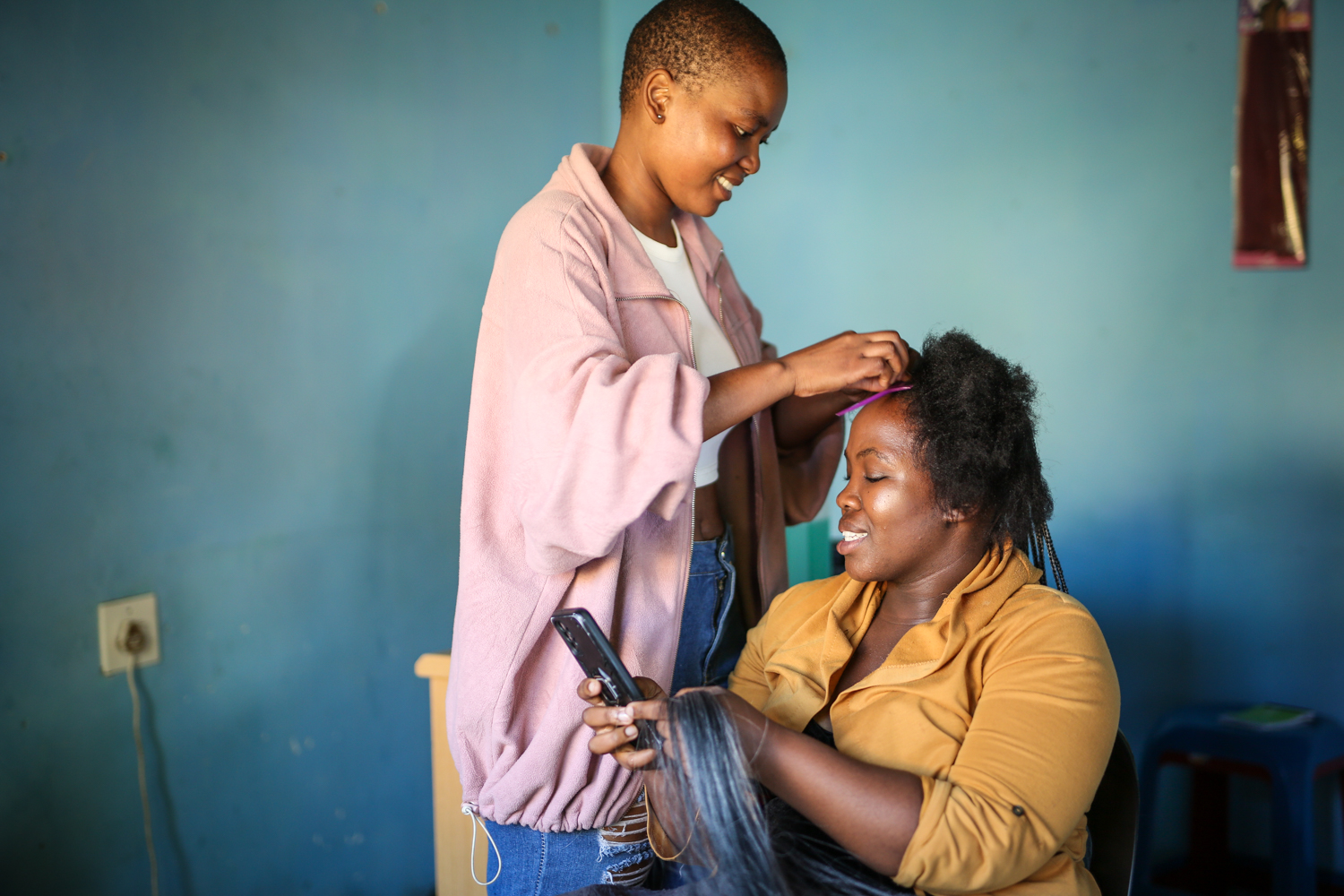
Hair salons may offer a safe, accessible, trusted community space to engage young women and address barriers related to HIV/SRH.


In a first step, we concluded an innovative cross-sectional survey – co-designed and conducted in collaboration with citizen scientists – and gathered data among 100 hair stylists and 300 clients across Lesotho. The findings were complemented by qualitative research, narrative storytelling and a video documentary.


In a next step, we are designing and implementing a pilot to evaluate a first HIV/SRH service intervention at a few hair salons in Lesotho.