Faculty of Medicine
Faculty of Medicine
UNIverse - Public Research Portal

[FG] Baraki Hassina

Projects & Collaborations

3 found
Show per page
Project cover

Basel Contribution to the EACTS Adult Cardiac Database (ACD)

Research Networks (Institutional Membership)  | 5 Project Members

University Hospital Basel is joining the Adult Cardiac Database (ACD) of the European Association for Cardio-Thoracic Surgery (EACTS), an international registry within the EACTS Quality Improvement Programme (QUIP). The ACD enables participating centres to benchmark the outcomes of adult cardiac surgery against hospitals across Europe and to identify opportunities for quality improvement.

Our department contributes anonymised data from more than 10,000 cardiac surgical procedures performed in Basel since 2008, covering preoperative risk factors, operative details, perfusion and myocardial protection, and postoperative outcomes. As most data currently held in the ACD start from 2019, the Basel contribution substantially extends the historical depth of the database. In addition, cases from our robotic cardiac surgery programme will be contributed to the new robotic features of the ACD.

The data are harmonised to EACTS definitions and anonymised in close collaboration with the Data Governance and Data Science team of the Department of Clinical Research, in line with Swiss data protection requirements. Beyond benchmarking, the project strengthens the long-term curation and reuse of our surgical data and opens opportunities for future multicentre, quality-focused research.

Project cover

B-IMPACT: Basel Interdisciplinary Multimodal Program for Advanced Cardiac Surgery Therapies

Research Project  | 6 Project Members

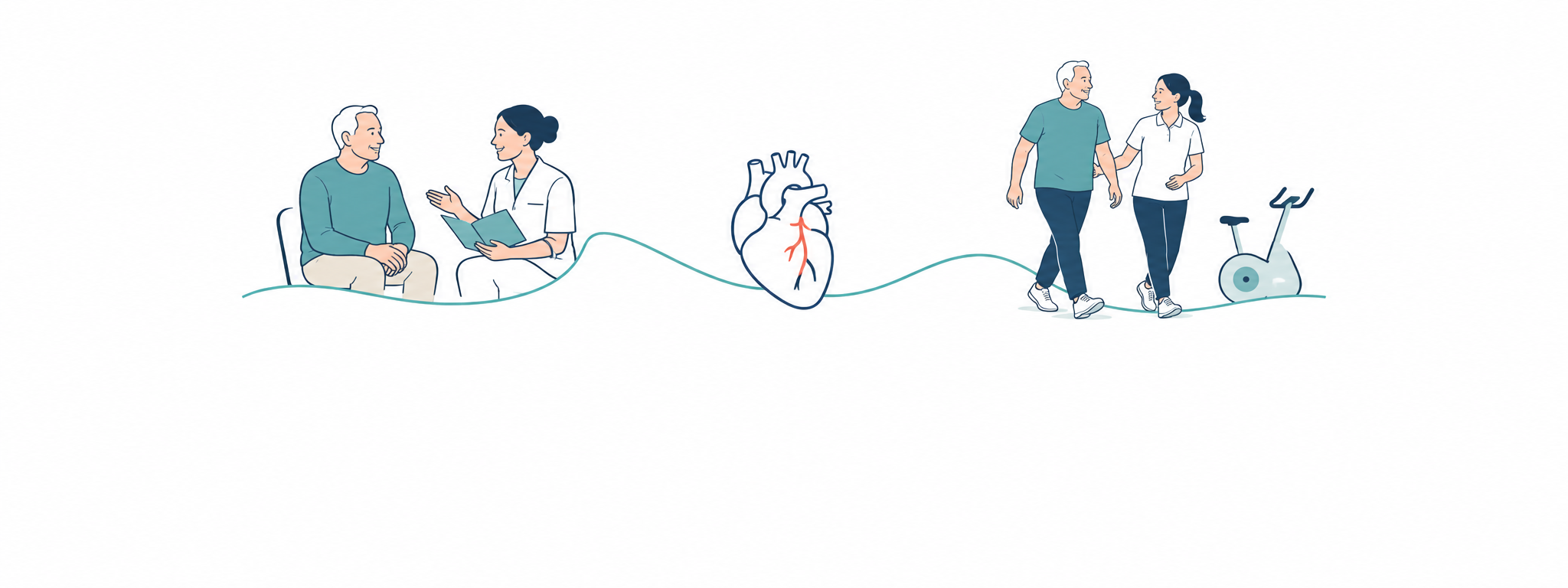
B-IMPACT is an interdisciplinary program for patients undergoing elective cardiac surgery at the University Hospital Basel. It aims to prepare patients optimally for surgery, support a faster recovery, improve the quality of care, and create a structured basis for clinical research.

Two to six weeks before surgery, patients attend a dedicated outpatient preparation day. An advanced practice nurse provides structured education and screens for frailty, nutritional risk, cognitive impairment, delirium risk, anxiety and depression, quality of life, and treatment expectations. Laboratory testing targets modifiable risk factors such as anemia, iron deficiency, and poor glycemic control. On the same day, patients are seen by cardiac surgery, physiotherapy, psychosomatic medicine, and anesthesiology. They can join supervised prehabilitation with endurance and strength training three times per week or follow a home-based exercise program. A patient brochure and a daily diary support them from preparation through their hospital stay.

A prospective registry is being established to collect data from all patients in the program, including preoperative risk profiles, adherence to program elements, patient-reported outcomes and experiences, and clinical outcomes. The registry will serve as the basis for master’s and doctoral theses and scientific publications.

B-IMPACT is led by the Department of Cardiac Surgery together with nursing, physiotherapy, psychosomatic medicine, anesthesiology, and other partners at the University Hospital Basel, in collaboration with the University Medical Center Göttingen.
Project cover

mLOY: Mosaic Loss of the Y Chromosome and Myocardial Remodeling in Severe Valvular Heart Disease

Research Project  | 5 Project Members

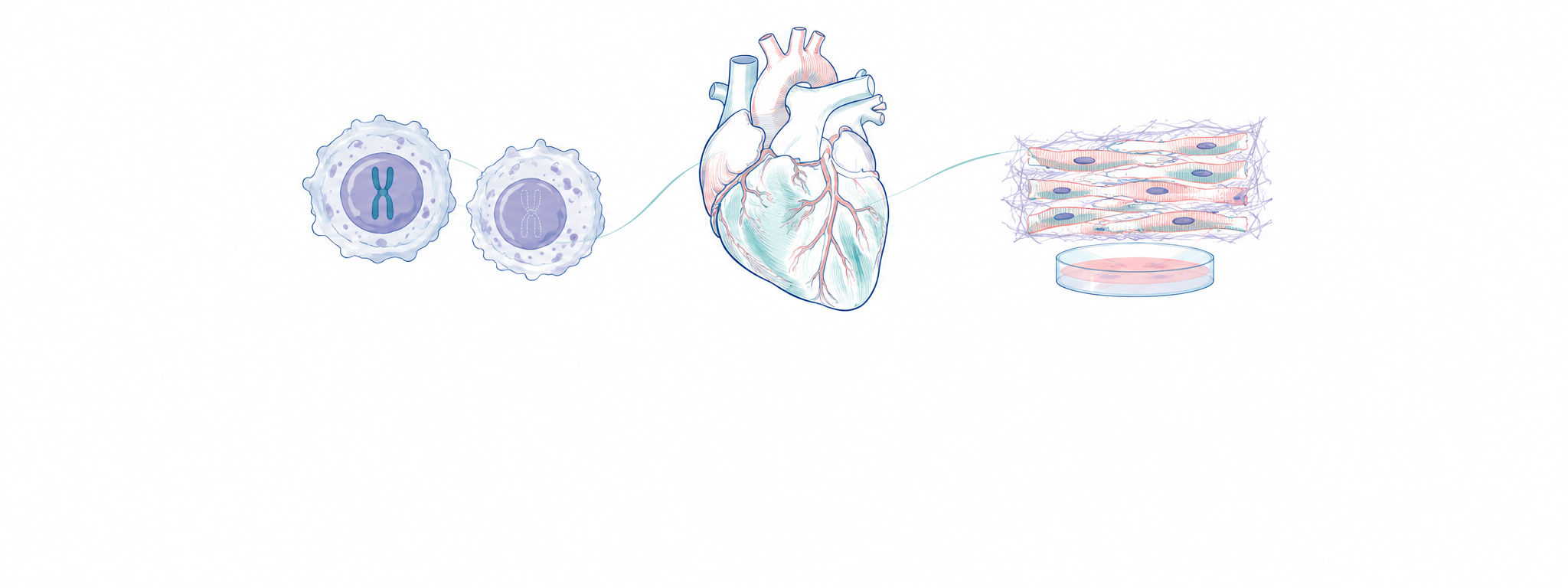
Mosaic loss of the Y chromosome (mLOY) in blood cells is one of the most common acquired genetic changes in aging men. It has been linked to higher cardiovascular risk and mortality and to fibrotic remodeling of the heart, partly through pro-fibrotic immune cells and enhanced TGF-β1 signaling. Whether the Y chromosome is also lost in the heart itself, and how this relates to mLOY in the blood, remains largely unknown.

This translational project studies mLOY in patients with severe valvular heart disease who undergo heart valve surgery. With the patients’ informed consent, blood samples and a small myocardial biopsy are collected during their routine surgery. LOY is then measured in both blood and heart tissue using digital PCR. This lets us link LOY in blood and heart tissue to myocardial remodeling and fibrosis in the same patients.

In parallel, induced pluripotent stem cells (iPSCs) derived from patients are turned into cardiomyocytes and cardiac fibroblasts and studied in 2D and 3D engineered cardiac tissue models. We use these models to find out whether LOY in heart cells comes from the cells’ own susceptibility under stress, such as ischemia or pro-fibrotic signaling, or from signals sent by LOY-affected immune cells. We also test whether blocking TGF-β1 can counteract fibrotic remodeling.

The project is a collaboration between three groups: the Department of Cardiac Surgery at the University Hospital Basel (Prof. Dr. med. Hassina Baraki), the Cardiac Surgery and Engineering Group of PD Dr. Anna Marsano (Department of Biomedicine, University of Basel), and the University Medical Center Göttingen (Prof. Dr. med. Elisabeth Zeisberg).