

[FG] Baraki Hassina
Head of Research Unit
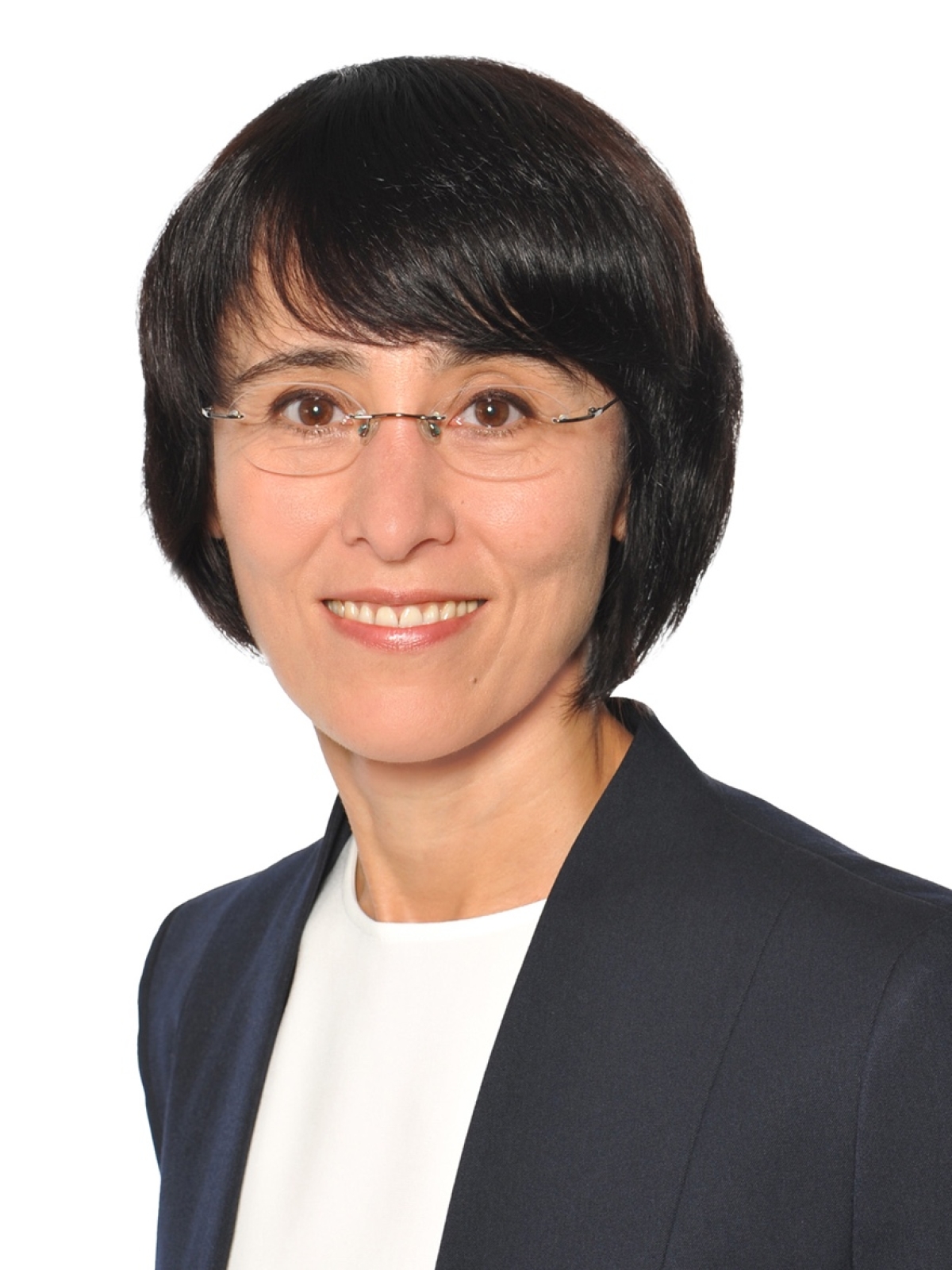
Prof. Dr. Hassina Baraki
Cardiac Surgery Research Group
The Cardiac Surgery Research Group at the University Heart Centre Basel, led by Prof. Hassina Baraki, develops less invasive and more individualised approaches to heart surgery and studies how patients recover after cardiac operations. Our work connects the operating room, clinical trials and translational science.
A central theme is minimally invasive and robotically assisted cardiac surgery. As one of the first centres in Europe to perform robotically assisted minimally invasive coronary bypass surgery (MIDCAB) with the da Vinci 5 platform, we examine how robotic technology can make complex procedures safer, more reproducible and less burdensome for patients, and how surgical teams build these skills.
A second focus is the heart-brain axis. Through the FINDERI research programme we study postoperative delirium and neurocognitive decline after cardiac surgery, combining clinical risk screening with blood-based biomarkers such as p-tau181 and interleukin-6 to identify vulnerable patients before surgery and to protect brain health during recovery.
A third focus is frailty and prehabilitation in older cardiac surgery patients. As patients undergoing heart surgery are increasingly elderly and frail, multicentre work such as PRECOVERY tests whether structured prehabilitation before elective procedures improves recovery, independence and quality of life.
We further evaluate device-based therapies, including cardiac shockwave therapy for ischaemic heart failure, the long-term durability of coronary bypass grafts, and structural valve interventions. Together with the Baraki/Marsano laboratory at the Department of Biomedicine, we pursue translational strategies for myocardial regeneration, including iPSC-based engineered heart muscle.
Working in close collaboration with cardiology, anaesthesiology, intensive care, neuroscience and biostatistics, the group is committed to rigorous, patient-centred research that translates scientific innovation into measurable benefit for people living with heart disease.
Follow this link for further information